Manual Therapy Mentorship
Why your treatments aren’t working (and how to fix it)
For osteopaths, physios & manual therapists who know the theory.
But struggle to apply it in real patients.
The Treatment Lab teaches you HOW to think — so your treatments actually work.
What you’ll get inside The Treatment Lab
This isn’t about adding more information.
It’s about learning how to use what you already know — effectively.
Inside The Lab, you’ll learn get:

New modules released monthly, with real case studies

Clinical pearls, anatomical review, physiology and biomechanics.

In depth condition focused discussion's

Monthly WEBINAR discussing real cases and sticking points

Have a say in what topics we focus on next

Built for new grads + clinicians who feel “stuck”
WHAT OUR MEMBERS HAVE TO SAY
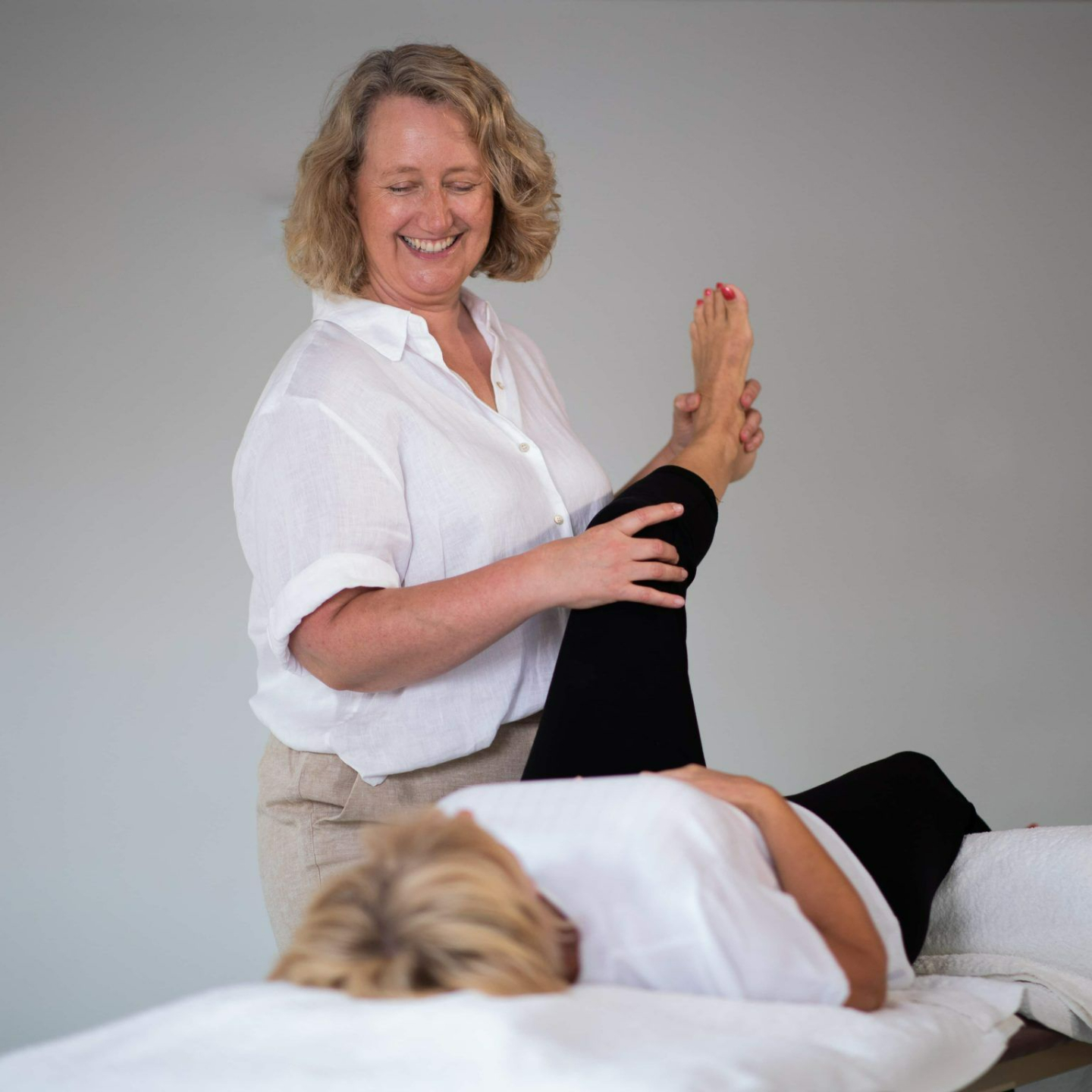
Michelle Harris | Osteopath | Melbourne
The Treatment Lab is one of the most clinically useful CPD programs I've come across.
The monthly online format gives me genuine flexibility to complete each module when it suits my schedule, rather than around fixed course dates.
The content blends anatomy revision, hands-on osteopathic technique, and the clinical reasoning behind when and why to apply each approach.
The opportunity to engage directly with the directors for mentorship adds a depth that self-study alone can't replicate.
Highly recommend to any osteopath looking to develop with purpose.
Ronan Hyland | Osteopath | Victoria
The Treatment Lab is a great resource for learning new practical techniques while also incorporating the physiological underpinnings of the technique itself, which is highly valuable for new graduates as well as experienced health practitioners

Siya | Physiotherapist & Osteopath | Bengaluru
Thank you so much.
You and the team are doing a great job. I was looking for a training like this. This module is giving me a lot of clarity on my concepts.
You're not lacking knowledge - but something still isn't clicking
You’ve done the courses.
You understand anatomy.
You’ve learned techniques.
But in clinic, it doesn’t always translate.
Patients improve… then regress
Some cases just don’t respond the way you expect
You find yourself second-guessing what to do next
And over time, that creates:
👉 Frustration
👉 Uncertainty
👉 A lack of confidence in your decision making
Because the real challenge isn’t knowing more.
👉 It’s knowing what to do, when it matters most
The problem isn’t your technique
Most clinicians think they need:
More techniques
More courses
More information
But that’s not what’s holding them back.
👉 The real issue is how you’re deciding what to treat
In complex patients, there isn’t a protocol to follow.
There’s no checklist that tells you:
What actually matters
What’s driving the presentation
Where to intervene first
That’s where most clinicians feel stuck.
We don’t teach protocols — we teach you how to think
At The Treatment Lab, the focus isn’t on giving you more to memorise.
It’s on helping you:
Understand what you’re actually seeing in front of you
Identify what’s driving a patient’s symptoms
Make clearer, more confident clinical decisions
Adapt your approach to the individual — not the textbook
Because when your thinking improves…
👉 Your results in clinic follow
See How This Works in Real Clinical Practice
The Patient Problem
A patient (45, female) presented with persistent low back pain that hadn’t improved despite ongoing treatment.
They had been dealing with symptoms for several years, with pain impacting:
- Daily movement
- Exercise tolerance
- Confidence with loading and activity
They had been proactive with their care — but progress had plateaued.

What Wasn’t Working
Previous management had focused on the local area:
- Lumbar soft tissue work
- Joint mobilisation
- Core strengthening and stability exercises
While there were short-term improvements, the pattern remained:
👉 Temporary relief, followed by recurrence and flare-ups
At this stage, the issue wasn’t a lack of treatment —
it was a lack of lasting change.

What We Noticed
On assessment, the lumbar spine itself wasn’t particularly remarkable.
What stood out instead was how the system was functioning around it.
Specifically:
- Upper chest dominant breathing pattern
- Limited posterior rib cage expansion
- Reduced diaphragm contribution
- Increased tone through lumbar paraspinals
There were also clear signs of:
- Reduced mobility through the posterior abdominal wall
- Restriction within deeper fascial layers influencing load transfer
- Limited variability in how the system could manage pressure and movement
👉 The low back was consistently being loaded by the way the system was functioning

The Clinical Shift
At this point, the question changed from:
👉 “How do we treat the low back?”
To:
👉 “What is driving the load through the low back?”
This shifted the focus away from the symptom
and toward the structures and systems influencing it.
What We Changed
Treatment was directed toward:
- Restoring more efficient breathing mechanics
- Improving rib cage mobility, particularly posterior expansion
- Addressing restrictions through the posterior abdominal wall and retroperitoneal space
- Working with deeper structures such as the sigmoid region and left-sided abdominal interfaces influencing movement and load transfer
- Reducing unnecessary tone through the lumbar spine
Once these changes were established,
we then layered in more targeted local work to the low back.
Outcome
Within 3 sessions:
- Pain reduced significantly
- Movement became easier and less guarded
- The patient reported less “tightness” and reactivity
- Flare-ups became less frequent and less intense
Importantly, these changes were:
👉 More consistent
👉 More sustainable
👉 Easier for the patient to maintain
Over 6 months there has been only occasional twinges, but no major flare-ups.

What This Shows
Nothing dramatically new was introduced.
There was no aggressive or complex protocol.
The difference came from:
👉 Understanding what was actually driving the presentation
👉 And addressing the system — not just the symptom

Takeaway
👉 Treat the system, not just the symptom
If you want to learn how to approach cases like this...
and develop the clinical reasoning behind these decisions...
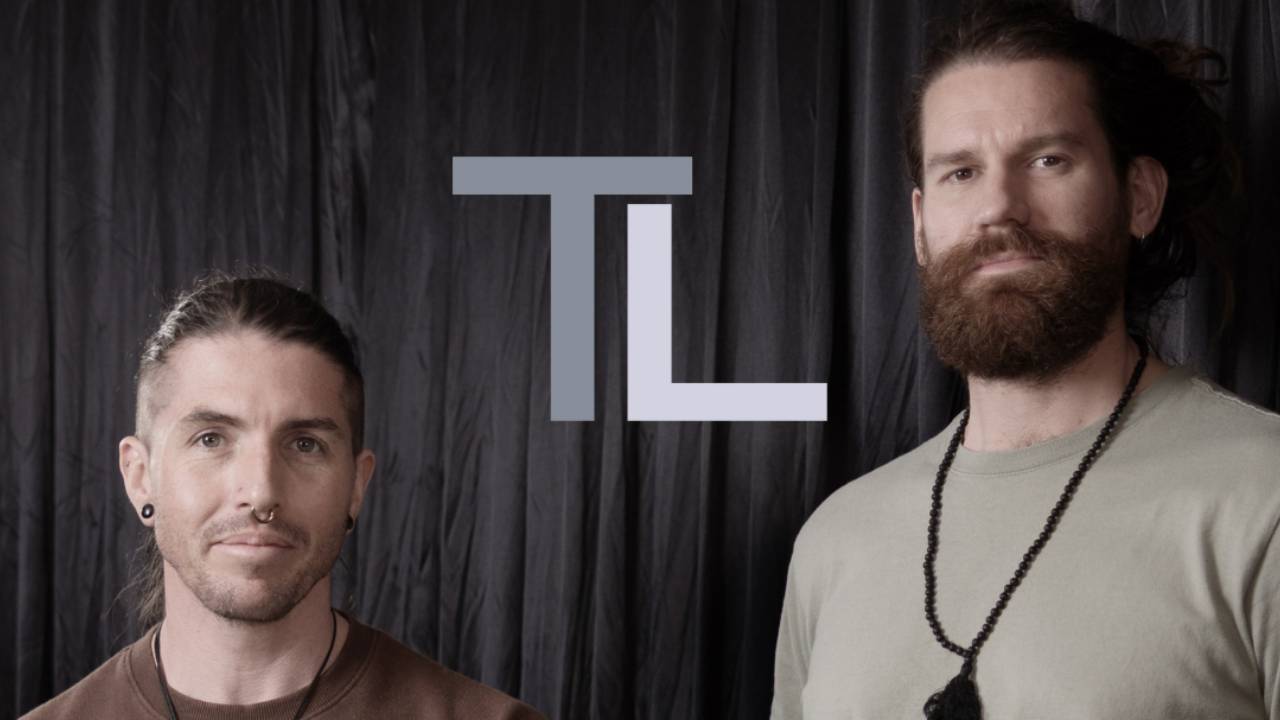
Your Mentors
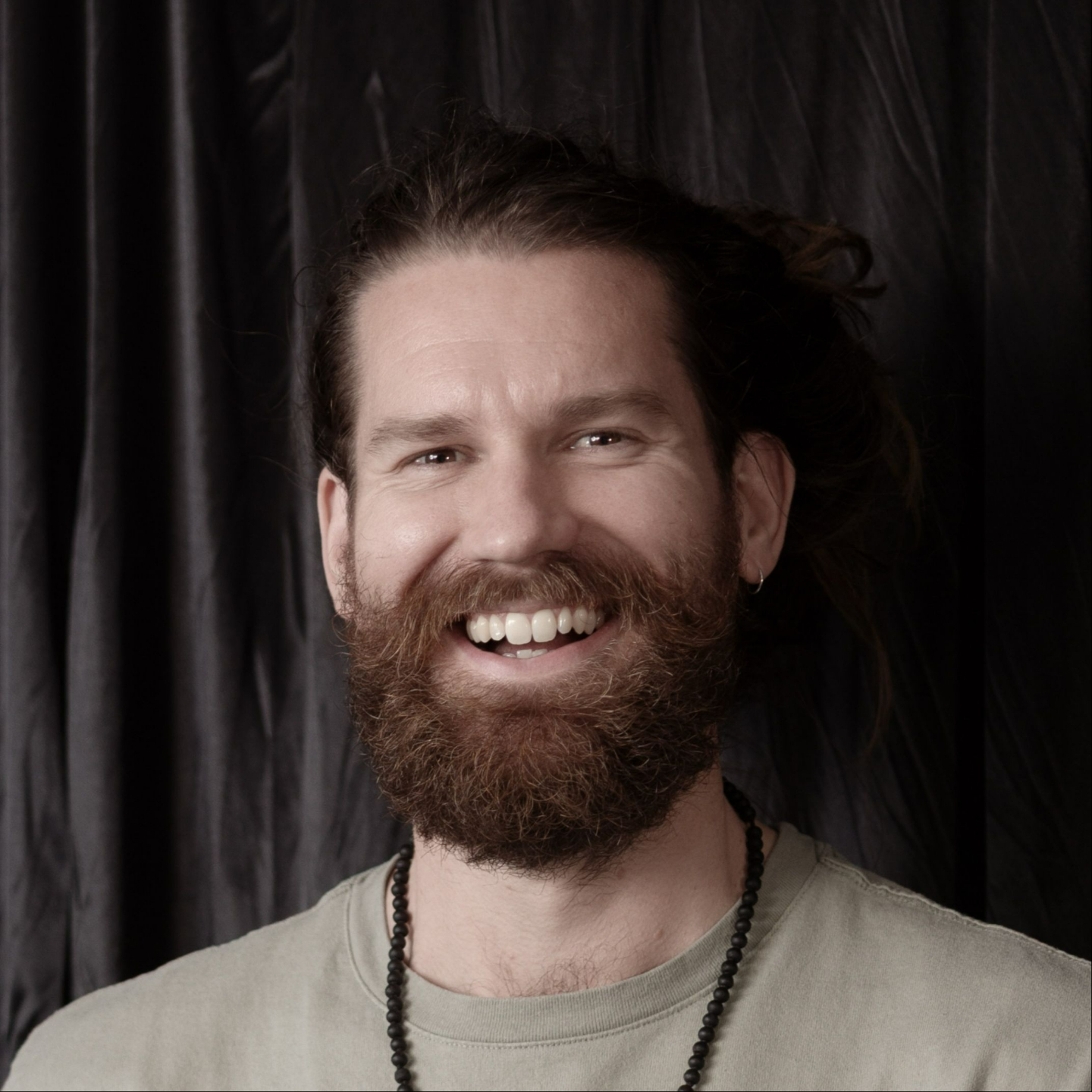
Dr Jim Doheny (Osteopath)
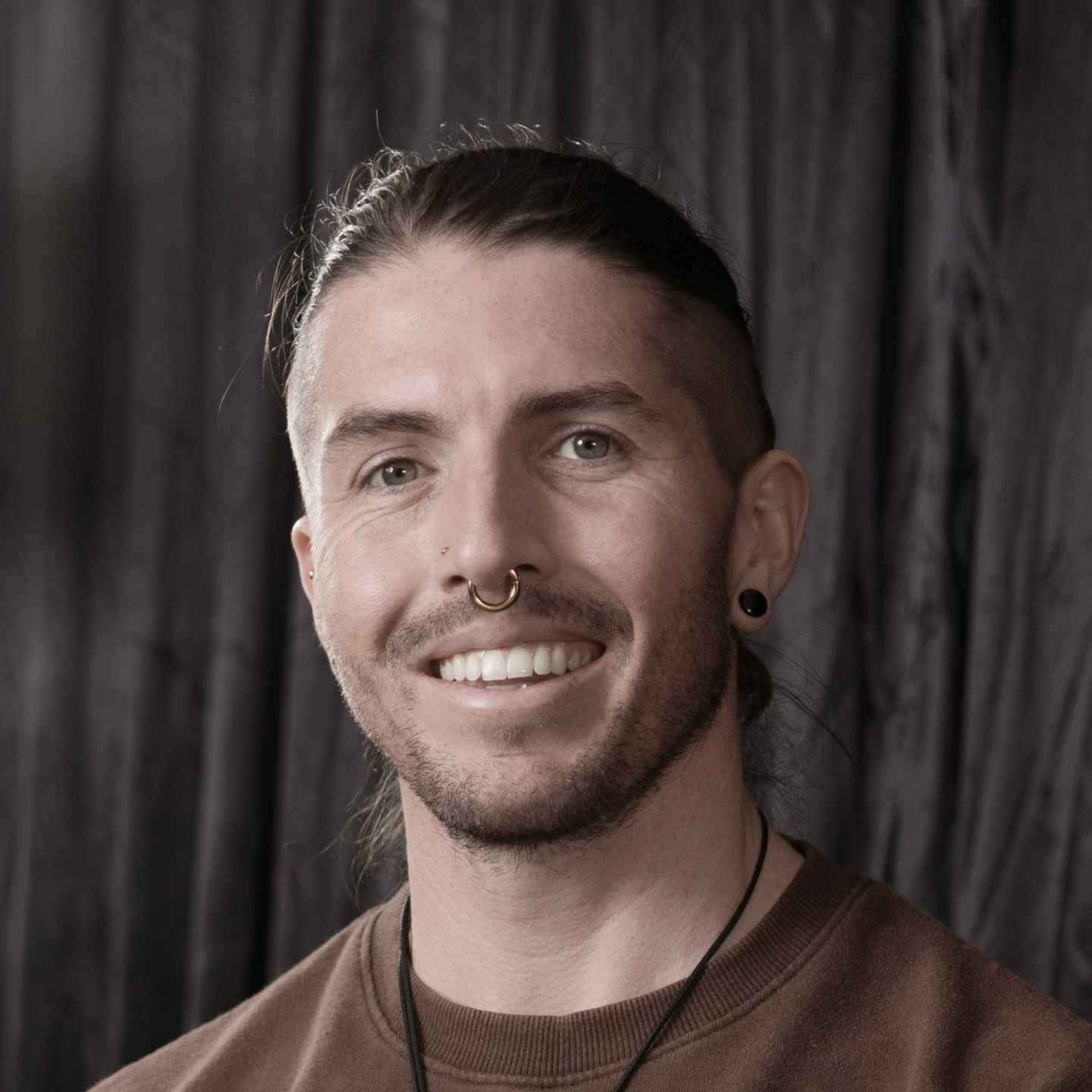
Dr Rusty Gaddes (Osteopath)
Learn anywhere, anytime. Access The Lab through the Kajabi app and keep your professional growth at your fingertips—watch modules, download resources, and stay connected wherever you are.